






Every time you type your login details into a casino website, you’re giving more than your entertainment budget—you’re relying on that provider with your personal information and financial details. At Vulkan Vegas Casino, we’ve established the complete account process around that confidence, implementing protective measures from the instant you hit the sign-up button all the way through every login. This article guides you through the specific steps: establishing and protecting your account, the validation checks we require, the features we put in your hands to stop intruders out, and the recovery options if something fails. You’ll learn how password management, 2FA, device recognition, and a thorough knowledge of our Know Your Customer process work together into a defense far more effective than any one-off protection. No vague reassurances—just a specific, practical plan that makes your sign-in process smooth and protected against the dangers aimed at online casino gamblers today.
The Account Creation Journey at Vulkan Vegas Casino
Your interaction with our platform starts on the registration form, and the selections you make there define the atmosphere for everything that follows. The sign-up flow requests a valid email address, a unique username if our system uses one, and a password that meets our complexity requirements. We also request standard personal details: your full legal name, date of birth, residential address, and mobile phone number. These fields are not meaningless. They create the foundation of your identity profile and will later be cross‑checked during verification. Once you send the form, our system delivers a confirmation link to the email address you provided. Clicking that link activates the account and verifies you control the inbox—the first layer of ownership validation. We advise completing this step immediately because an unconfirmed account may face restrictions on deposits or withdrawals until the email is verified. At this stage you can already log in and explore the lobby, but full functionality depends on the verification steps that follow.
Personal Information and Initial Login Info
Precision during registration is hardly a bureaucratic formality; it is a security requirement. If the name on your casino account differs from the name on your payment method or identity document, you will face friction during your first withdrawal request. We require your date of birth to enforce age restrictions and responsible gaming controls, and your address must correspond to where you actually live because we will later require a proof‑of‑address document. The mobile number you supply becomes a potential channel for two‑factor authentication codes and important account alerts, so recheck the country code and digits before submitting. When choosing a username, refrain from including any part of your real name, email handle, or birth year. A neutral alias that reveals nothing about your identity is a small but meaningful privacy habit. The password field is where many players accidentally weaken their own security. Our system imposes a minimum length and may require a mix of uppercase letters, lowercase letters, numbers, and symbols, but meeting the minimum is not the same as being strong. We will examine password strategy in depth later, but for now recognize that the registration password is the single most important key you create on our platform.
Establishing Strong Authentication from Day One
Immediately after verifying your email, we encourage you to visit the account security settings and activate any additional authentication layers we have. At Vulkan Vegas Casino you’ll usually find an option for two‑factor authentication, often referred to as 2FA. Turning on it associates your account to a mobile authenticator application or, in some setups, to SMS‑based codes. The setup process creates a unique secret key that you read with an app such as Google Authenticator or a similar open‑standards tool. Once linked, every login attempt will need not only your password but also a time‑sensitive six‑digit code that updates every thirty seconds. This indicates that even if someone acquires your password through a data breach, phishing attack, or keylogger, they still cannot enter your account without physical ownership of your mobile device. We also suggest reviewing the session management settings during this first visit. If our platform offers the ability to check and end active sessions, familiarise yourself with that screen so you can spot unrecognised logins quickly. Using five minutes to configure these settings on day one prevents hours of stress later.
Account Verification and KYC Requirements
KYC procedures are a regulatory obligation for regulated online casinos, but we consider them a pillar of account protection rather than a hurdle. Authentication ensures that the person who created the account is the rightful owner of the identification documents, payment methods, and contact information on file. Until your account is thoroughly authenticated, specific actions—such as large withdrawals—may be suspended. The flow usually begins when you send your first withdrawal request, though we may also trigger it preemptively based on deposit behaviors or accumulated limits. You’ll obtain an email or an in‑application alert specifying the required documents, along with a protected submission system where you can upload them. Our compliance team reviews each submission personally, matching the information against your signup information and reviewing documents for evidence of alteration. We recognize that submitting confidential files can feel uncomfortable, which is why we secure all submitted files and hold them in access‑restricted environments that only approved staff can access. The typical review window varies from a handful of hours to 48 hours, depending on application volume and document clarity.
Required Documents You Must Submit
The typical document set contains a official photo ID, a recent proof of address, and in some cases verification of your payment method. For the photo ID, a passport, national identity card, or driving licence is acceptable, as long as the image is color, all four corners are visible, and none of the data fields are obscured. The name on this document must precisely match the name you entered during registration. The proof of address usually takes the form of a utility bill, bank statement, or official government letter issued within the last three months. Digital statements are allowed as long as they present your full name, current residential address, the issuing institution’s logo, and a recent date. We cannot accept mobile phone bills or envelopes without the actual statement inside. For payment method verification, if you deposited with a credit or debit card, we may ask you to upload a photo of the physical card with the middle eight digits covered, leaving only the first six and last four digits shown, along with your name and expiry date. E‑wallet users could need to share a screenshot of their account profile showing the registered name and email. Gathering these documents in advance renders the verification step almost frictionless.
How the Verification Process Functions
Once you upload your documents through the secure portal, our compliance software performs an initial automated check for image quality, file format, and basic data extraction. A trained verification specialist then reviews each file side by side with your account profile. They confirm that the photo on your ID matches any selfie we request, that the document remains current, and that the address on your utility bill aligns with the one you gave us. If everything is in order, your account status changes to verified, and any pending withdrawals are released. If something fails to align, you’ll receive a specific explanation of the issue rather than a generic rejection. Common problems include a blurred photo, a document that is cropped too tightly, or a name discrepancy caused by a recent marriage or legal name change. In those cases we request a supplementary document, such as a marriage certificate, to bridge the gap. Throughout the process you can track your verification status in your account dashboard, and our support team is available to address any request. We never ask you to send documents via email or chat; all uploads happen exclusively through the encrypted portal inside your logged‑in session, which prevents interception by third parties.
Typical Verification Hold-ups and Tips to Sidestep Them
The most frequent cause of delay arises from a mismatch between the name on the payment method and the name on the identity document. If your card features a middle initial while your passport states your full middle name, the system will detect the discrepancy. Using a payment method that is registered to a family member or friend is strictly prohibited and will cause immediate suspension of the account until the situation is cleared up. Another common pitfall is submitting a proof of address that is older than three months, even by a few days. Set a calendar reminder to download a fresh statement before initiating a withdrawal if your most recent bill is about to age out. Blurry photographs taken in poor lighting are also a frequent reason for resubmission. Place your document on a dark, flat surface, utilize natural daylight if possible, and ensure the camera lens is clear. Avoid using flash because it may produce glare that masks holograms and text. Finally, do not edit or crop the image beyond what we instruct; our system requires the full document edges to verify authenticity. Following these simple guidelines will nearly always lead to a one‑pass approval, getting you back to the games faster.
Signing In Safely Always
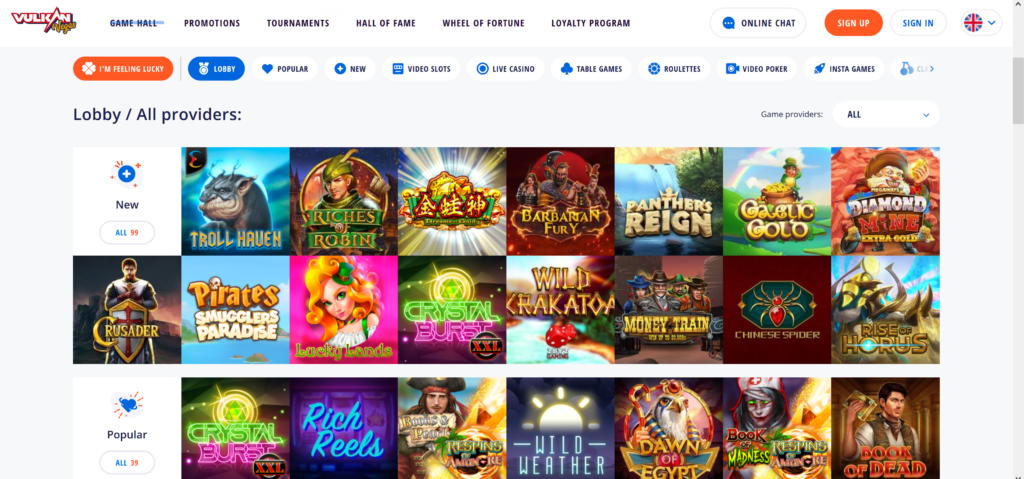
The login page is the entry point to your money and personal data, so we’ve built it to resist common attack vectors while remaining simple for legitimate users. When you visit our login screen, your browser establishes an encrypted TLS connection before any credentials are transmitted. You can confirm this by looking for the padlock icon in the address bar and verifying that the URL starts with the secure protocol indicator. Our servers then display a login form that may feature a CAPTCHA challenge if our risk engine spots unusual traffic patterns from your network. This step stops automated bots from carrying out credential‑stuffing attacks against our user database. Once you type your email or username and password, the credentials are hashed and verified against our stored records without ever being logged in plain text. If the credentials align, and if you have two‑factor authentication enabled, you are then required for the time‑based code. Only after both factors pass does the system issue a session token tied to your device and browser fingerprint. This token times out after a period of inactivity, which reduces the window of opportunity if you fail to log out on a shared machine.
Password Management and Manager Tools
An effective password is long and difficult to predict. We suggest a minimum of twelve characters, but fourteen or more is significantly better. Instead of depending on a single complex word with symbol substitutions, think in terms of a passphrase composed of four or five unrelated words. For example, a string like “correct‑horse‑battery‑staple” is far harder for cracking software to guess than “P@ssw0rd123” despite appearing simpler to a human. The best way to manage such credentials is with a reputable password manager. These tools generate truly random strings for each service, store them in an encrypted vault protected by a single master password, and autofill them on legitimate login pages. Because the password manager checks the domain before filling, it also offers strong protection against phishing sites that mimic our login page. We urge against reusing your casino password on any other website. Credential leaks from unrelated services are routinely tested against gambling platforms by attackers who know that account balances can be converted into real money quickly. If keeping track of unique passwords feels overwhelming, a password manager is the single highest‑impact security upgrade you can make today.
2FA as Your Security Net
We touched on two‑factor authentication as part of account setup, but its role in daily login security requires deeper attention. When 2FA is active, the login process requires something you know (your password) and something you have (your mobile device with the authenticator app). This dual requirement counters the vast majority of credential‑based attacks. Even if a phishing email fools you into typing your password on a fake site, the attacker cannot use it because they lack the rotating code. We support time‑based one‑time password algorithms that are compatible with most authenticator apps, and we may also provide backup codes during the setup process. Those backup codes are single‑use emergency keys that you should store offline, ideally printed and kept in a secure physical location. Do not keep them in a plain text file on the same device you use for gaming. If you ever lose access to your authenticator, those codes are your only self‑service recovery path. We also advise you to set up 2FA on the email account associated with your casino profile. If an attacker compromises your email, they could potentially intercept password reset links, so securing that inbox with its own second factor closes an important loop.
Spotting and Steering Clear of Social Engineering Traps
Technical defences like encryption and 2FA are vital, but the human element remains the most vulnerable vulnerability in any security system. Social engineering attacks strive to manipulate you into voluntarily handing over your login credentials, verification codes, or personal documents. In the context of online casinos, the most common vector is a phishing email or SMS that appears to come from Vulkan Vegas Casino. These messages often foster a false sense of urgency, stating that your account will be suspended, that a large withdrawal is pending, or that you need to verify your identity immediately to claim a bonus. They include links that lead to websites built to look identical to our official login page, down to the logo, colour scheme, and form fields. When you type your credentials on that fake page, the attackers steal them in real time. Some sophisticated campaigns even activate a real 2FA prompt on your device and ask you to enter the code on the phishing site, allowing them to hijack your session instantly. The single most effective defence is to never click on links in unsolicited messages. Instead, open your browser and manually type the casino address you know to be genuine.
Beyond phishing, fraudsters may attempt to contact you through social media or messaging apps, posing as casino representatives offering exclusive bonuses or technical support. They might ask you to share your screen to “help” with a deposit issue, during which they can monitor your login process or install remote access software. We will never initiate contact with you through unofficial channels, and we will never request remote access to your device. If you receive a suspicious message, report it to our support team through the official contact methods listed on our website. Another subtle trap involves fake casino affiliate sites that promise enhanced odds or cashback in exchange for your login details. No legitimate operator, including Vulkan Vegas Casino, will ever ask for your password outside of the official login page. Train yourself to pause whenever a message triggers a strong emotional reaction, whether it’s excitement about a bonus or fear of an account closure. That pause is often enough to spot the red flags: poor grammar, a sender address that doesn’t match our domain, or a link that points to a slightly misspelled URL.
Regaining Access After Being Locked Out
Locked accounts occur for numerous reasons, ranging from a forgotten password to a security flag caused by a login attempt from an unrecognized location. We have created our recovery flows to restore legitimate access promptly while preventing impersonators out. The primary and most important rule is to never share your recovery information with anyone who contacts you pretending to be from our support team. We will never request for your password or two‑factor code via phone, email, or live chat. All genuine recovery actions happen through official channels that you begin yourself. If you just forgot your password, the reset process starts with a link on the login page. If the situation is more complex—such as misplacing both your password and your 2FA device—you will need to contact our support team and pass a secondary identity verification. This may involve answering security questions you set during registration or sending a selfie holding your ID document next to a handwritten note with a certain code we provide. While this extra step can feel inconvenient, it is the same rigour that blocks a fraudster from stealing your account with a single breached email.
The Official Password Reset Flow
On the sign-in screen you’ll find a clearly marked option for lost passwords. Opening it brings up a field where you type the email address linked to your account. Our system then determines whether that address is found in our database and, if it is, transmits a temporary reset link to that email address. We purposefully steer clear of revealing whether an email is registered or not, because that detail could be exploited by an malicious actor to discover accounts. You can expect to receive the message within a few minutes; if it fails to show up, look in your spam folder and make sure you typed the correct address. The reset link directs you to a page on our domain where you can establish a new password. Choose a different, strong password that you’ve never used on our platform before. Once the password is reset, all existing sessions are terminated instantly. This signifies that if someone else was accessing your account, they are automatically disconnected. We then request you to authenticate again with the new details. If you have 2FA enabled, the reset process does not bypass it; you’ll still have to use your authenticator to finish the login, which adds a vital check against unauthorised resets.
What to Do If You Believe Unauthorised Access
If you notice unfamiliar transactions, changes to your profile details, or login alerts from locations you don’t recognise, act immediately. To start, attempt to log in and reset your password. If you can’t log in because the password has already been altered, use the password reset flow mentioned above. Once you regain control, go to your account security settings and end all active sessions. Check your registered email address and phone number to ensure they haven’t been altered. Then, enable two‑factor authentication if it wasn’t already active. Even if the intruder got access through a stolen password, 2FA will lock them out going forward. Contact our support team and clearly state that you think your account was compromised. We can set a temporary freeze on withdrawals and review login logs to identify the source of the breach. If you reused your casino password on other sites, change those passwords as well, starting with your email account. Try running a malware scan on your devices, because keyloggers and infostealers are common tools employed to collect credentials. The minutes you invest on these steps can mean the difference between a minor scare and a significant financial loss.
Device Security and Optimal Network Habits
The device you employ to log in is part of the security perimeter, and its status directly affects how secure your account is. We suggest that you enter Vulkan Vegas Casino only from personal gadgets that you control, such as your primary cell phone, tablet, or laptop. Shared or public PCs—like those in internet cafés or hotel business centres—introduce risks that are hard to reduce. These machines may have keyloggers present, outdated browsers with known vulnerabilities, or session‑recovery software that can resurrect your logged‑in state after you walk away. If you must use a device you don’t possess, always log out yourself, clear the browser cache and cookies, and never permit the browser to save your password. Even better, use a private or incognito browsing window that discards all session data upon closing. Keeping your operating system and browser up to date is equally crucial. Software updates often include patches for security flaws that attackers actively use to inject malicious code into legitimate websites or to steal data from your device’s memory.
Keeping Your Devices Clean
A machine that operates casino sessions should be without unnecessary browser extensions, pirated software, and unverified applications. Browser extensions, in particular, can view and modify the content of every page you visit, including our login form. Only set up extensions from official stores, check the permissions they request, and remove any that you no longer employ. Operate a reputable antivirus or anti‑malware tool with real‑time protection enabled, and schedule regular full scans. Many modern security suites contain dedicated ransomware shields and web protection modules that block known phishing domains before the page even opens. On mobile devices, use the official app stores and avoid side‑loading applications from third‑party sources. If we offer a dedicated mobile application for Vulkan Vegas Casino, download it only through the link provided on our official website or the verified store listing. Keep the app updated, because updates often resolve security issues alongside feature improvements. Finally, secure your device with a strong PIN, password, or biometric lock. If your phone is lost or stolen, that first barrier buys you time to remotely wipe the device or revoke casino sessions before anyone can open the authenticator app and access your account.
The Dangers of Public Wi-Fi and How to Mitigate Them
Public Wi‑Fi networks within airports, coffee shops, and hotels provide ease of use but notoriously insecure. Data on these networks may be captured by anyone within range using simple tools—a method known as a man‑in‑the‑middle attack. While our login page and entire platform are secured with TLS encryption, which scrambles data in transit, advanced attackers can sometimes downgrade connections or set up rogue access points with names that imitate legitimate hotspots. To eliminate this risk, we highly recommend against logging into your casino account over public Wi‑Fi unless you are also using a secure virtual private network. A VPN establishes an encrypted tunnel between your device and a remote server, hiding your activity from local eavesdroppers. Choose a paid VPN service with a strict no‑logs policy as opposed to a free one, because free VPNs often profit from user data in ways that compromise privacy. If a VPN is unavailable, use your mobile carrier’s cellular data connection instead. Mobile networks use encryption by default and are much harder to intercept than open Wi‑Fi. The small amount of data required by casino gameplay and login sessions is well worth the security gain.
Active Account Monitoring and Prudent Management
Security isn’t a static setup; it’s a continuous practice that adapts as threats evolve and your own habits shift. We provide several tools within your account dashboard that help you preserve visibility and control. Regularly checking your login history, if available, can notify you to access attempts from unknown IP addresses or devices. Some editions of our platform may transmit automatic email notifications for certain events: a login from a new browser, a password change, or a withdrawal request. Treat these notifications attentively and investigate any that you don’t identify. Keeping your contact details current is equally important. If you update your phone number or email address, refresh your casino profile immediately so that recovery codes and security alerts get to you without delay. An outdated email address is one of the most common reasons players lose permanent access to their accounts when a password is forgotten. We also encourage you configure deposit limits, reality checks, and session time reminders. While these are primarily responsible gaming tools, they also serve a security function by limiting the damage that an unapproved user could inflict in a short period.
Reviewing Login Activity and Session Controls
If our platform provides a session management page, develop the practice of reviewing it periodically. This screen usually shows all devices and browsers currently logged into your account, along with estimated locations based on IP geolocation and the time the session started. Look for entries that you don’t recognise—a browser you never use or a location where you’ve never been. End any suspicious session with a single click. This action instantly invalidates the session token, forcing that device to re‑authenticate from scratch, which an attacker cannot do without your credentials and 2FA code. Some session logs also show failed login attempts. A sudden spike in failed attempts from various IP addresses could indicate that someone is trying to brute‑force your password. If you see this pattern, change your password as a precaution and consider whether your email address may have appeared in a known data breach. You can check breach databases independently using reputable services that search for your email address without exposing it further. Awareness of your own digital footprint is a powerful defence.
Updating Your Details and Completing the Cycle
Life transitions—relocating, tying the knot, switching banks—should trigger a relevant change in your casino profile. Maintaining your registered address and banking details aligned with your current life eliminates verification problems when you submit a withdrawal. If your identification document becomes invalid, submit the updated version through the verification system as soon as you receive it, even if you aren’t actively trying to cash out. This forward‑thinking action makes sure that when you wish to make a withdrawal, there’s no last‑minute scramble. Furthermore, if you ever decide to take an prolonged pause from gaming, consider using any account pause or self‑exclusion features we offer. These not only promote safe gambling but also restrict your account against sign‑ins for the selected duration, adding an further measure of safeguarding against unapproved entry while you’re not checking it. By handling your casino account with the same care you use for your email or online banking, you turn the login page from a likely risk into a secure entry point. At Vulkan Vegas Casino we offer the infrastructure, the security encoding, and the verification thoroughness; your daily habits round out the circle of protection that keeps your gaming experience protected and pleasant.

